

Online Branding Services for Melbourne Small Business
How Real Businesses Win Customers Online Without Wasting a Cent
When Your Phone Stops Ringing
Ever quoted a job and then… nothing? No call, no text, just silence. Or maybe you run a shop and watch a regular walk out empty-handed. Later, you see them online, raving about a bargain from a big website. That stings. Not just your pride. Your bank account cops it too.
This isn’t rare. Nearly half of small Aussie businesses say they struggle to get noticed online. One in three reckon they’re missing out on work because their brand just blends in (ABS). That’s not just a number. That’s your next job, your next sale, your next loyal customer.
Why Now? The Numbers Don’t Lie
Here’s something that might surprise you. Almost every Aussie business is online now. But only 40% say their website actually brings in leads (ACCC). The rest? They’re just another name in a long list, hoping someone clicks. If you’re tired of hoping, you’re not alone. I’ve seen it too many times.

Expert Strategies into Brand Marketing in Australia
If you asked the best in the business, they’d tell you to keep it real. Forget chasing every new trend. Don’t copy what the big end of town does. Focus on what makes your business feel genuine to Aussies.
Think about your customers. What do they care about? Why do they trust you? Brand isn’t just a logo or a colour. It’s the feeling people get when they see your name. If your brand feels like a mate who’s got your back, you’re halfway there.
Consistency matters. Your website, your ute, your emails—they should all look and sound like you. No mixed messages. No borrowed American lingo. The best brands keep it local and honest.
Measure what matters. Don’t just set and forget. Track which pages get calls, which posts get shared, which ads actually bring in jobs. If something’s not working, change it. No ego, just results.
And don’t try to be everything to everyone. Own your patch. If you’re the go-to for [your business type] in [your location], that’s your edge. Build your brand around that. Simple.
Common Pitfalls into Brand Marketing in Australia
Let’s be honest, it’s easy to get distracted by shiny new things. I see business owners buy the latest app, pay for a fancy logo, or chase a “viral” post. Meanwhile, their phone number is buried on their website. Their Google Business Profile is out of date. They spend money on ads before fixing the basics. Sound familiar?
Another mistake? Trying to sound bigger than you are. Some folks copy big-brand language, thinking it’ll impress. But Aussies spot fake a mile away. If your brand voice doesn’t match how you talk to customers, people won’t trust you. The best brands sound like real people.
Ignoring reviews is a big one. Many business owners don’t ask for feedback. Or they leave a bad review hanging with no reply. That silence can cost you jobs. A quick, honest response—even to a tough review—shows you care.
And don’t forget to check how your business looks on a mobile. More than 70% of Aussies search for local businesses on their phone (ABS). If your site’s slow or hard to use, you’re losing work before you even get a chance. I’ve seen it happen.
Here’s What Actually Works—No Fancy Jargon, Just Results
I’ve spent over 20 years helping local businesses get noticed. Seen many SME’s lose $5,000+ jobs to competitors with flashier websites. The good news? You don’t need a marketing degree or a big budget. You just need a few simple moves that work for real Aussies, right now.
Here are five things I’ve seen work, time and again, for real businesses. Not theory. Not wishful thinking. Just what actually gets the phone ringing, the inbox pinging, and the till ticking over.
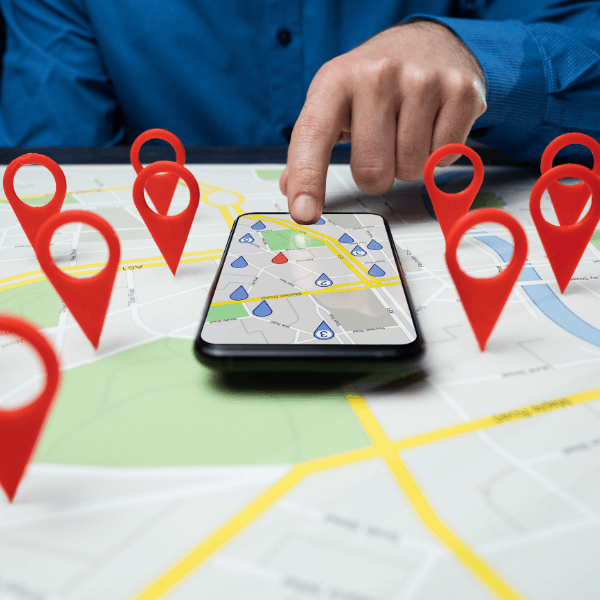
1. Local SEO That Gets Your Phone Ringing
I know a business owner who thought “SEO” was just for the big end of town. He’d been burned before—paid a fortune, saw nothing. Then he tried one thing: updating his Google Business Profile with real photos, a few honest reviews, and his actual opening hours. Within a month, he was getting calls from people in his own postcode who’d never heard of him before.
DIY: Start with your Google Business Profile. Add photos of your work, ask happy customers for a quick review, and make sure your contact details are spot on. Use words your customers use—if you’re a plumber, don’t just say “plumbing services,” say “blocked drains,” “hot water repairs,” and “emergency call-outs.”
Done For You: If you’re flat out, a good local agency can set this up for a few hundred bucks. Just make sure they show you real results—calls, not just clicks.
Metro vs Regional: In the city, you’re up against more competition, so reviews and fresh photos matter even more. In the bush, being the only one with a proper profile can put you miles ahead.
Stat: Businesses with a complete Google Business Profile get 7x more clicks than those without (Google).
2. Social Media That Brings in Leads (Not Just Likes)
Here’s what happens when you treat social media like a digital flyer. You get a few likes, maybe a comment from your mum, and that’s it. But I’ve seen a local service provider post a quick before-and-after job on Facebook, tag the suburb, and get three new bookings that week. No fancy video, just a real result.
DIY: Post real photos of your work, share quick tips, and answer common questions. Use local hashtags and tag your suburb. Don’t overthink it—consistency beats perfection.
Done For You: If you hate posting, there are Aussie freelancers who’ll do it for you. Just make sure they use your real photos and your voice, not stock images and American slang.
Metro vs Regional: City businesses can use local Facebook groups to get seen. In smaller towns, word spreads fast—one good post can reach half the community.
Stat: 61% of Aussies use Facebook to find local businesses (Sensis).

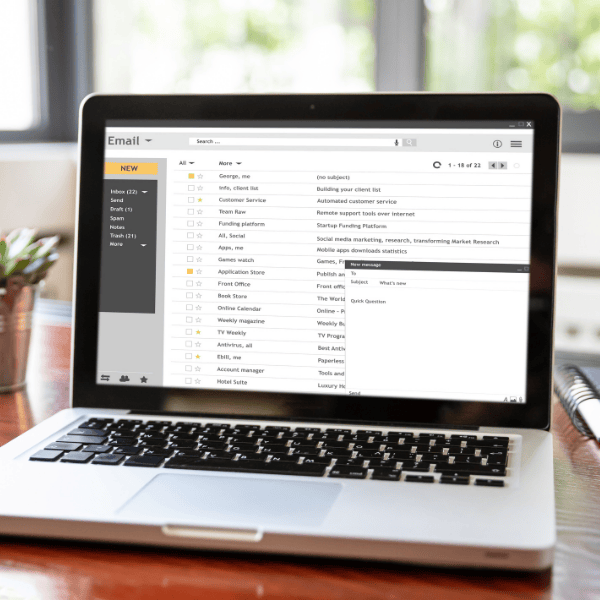
3. Email List Building That Doesn’t Feel Salesy
Most business owners I meet think email is spammy. But picture this: a retailer sends a quick “thanks for shopping with us” email, adds a $10 voucher for next time, and suddenly sees old customers coming back in. No hard sell, just a nudge.
DIY: Start with a simple sign-up form on your website. Offer something small—a discount, a tip sheet, or early access to specials. Keep emails short, friendly, and useful.
Done For You: Plenty of Aussie platforms (like Campaign Monitor or Mailchimp) make it easy to set up automated emails. If you’re not sure, a local web designer can set it up in an afternoon.
Metro vs Regional: City customers expect slick emails. In the country, a personal touch (“G’day, [your town]!”) goes a long way.
Stat: For every spent on email marketing, Aussie businesses see an average return of (Campaign Monitor).
4. Simple PPC That Pays for Itself
I’ve seen business owners throw money at Google Ads and get nothing. But I’ve also seen a tradie set a $10-a-day budget, target just his local area, and pick up two new jobs a week. The trick? Keep it tight and track every dollar.
DIY: Set a small daily budget. Use “near me” keywords and only target your service area. Watch which ads get calls, and pause the ones that don’t.
Done For You: A good agency will show you exactly how many calls or bookings you get for your spend. If they can’t, walk away.
Metro vs Regional: In the city, you’ll pay more per click, so focus on your niche. In the regions, even a tiny spend can put you at the top.
Stat: Businesses make an average of $2 for every $1 spent on Google Ads (Wordstream).

5. Website Tweaks That Turn Visitors Into Customers
I know a business owner who had a website built years ago. Looked fine, but no one called. We changed two things: added a big “Call Now” button and put real customer reviews on the homepage. Calls doubled in a month. No rebuild, no drama.
DIY: Check your website on your phone. Is your number easy to tap? Can you see what you do in five seconds? Add a clear call to action and a few real reviews.
Done For You: A local web designer can tidy up your site for a few hundred bucks. Don’t pay for a full rebuild unless you really need it.
Metro vs Regional: City customers expect fast, mobile-friendly sites. In the country, just having a working site with your number front and centre can win you the job.
Stat: 70% of Aussies say they won’t buy from a business with a clunky website (ACCC).
Step-by-Step Cheat Sheet into Brand Marketing in Australia
- Google your business name and main service on your phone. What comes up first? Surprised?
- Update your Google Business Profile. Add fresh photos, check your hours, and ask two happy customers for a review this week.
- heck your website on mobile. Tap every button. Is your phone number easy to find and click? Does your homepage say what you do in five seconds?
- Post a real job on social media. Snap a before-and-after, tag your suburb, and add a quick tip. Watch for comments or messages.
- Add a simple email signup. Offer a $10 voucher or a handy checklist for anyone who joins your list.
- Send a short email to your list. Thank them for their business, share a tip, and invite them to reply with a question.
- Set up a $10/day Google Ad. Target your postcode and use “near me” keywords.
- Track every call and email. Use a notebook or a free tool like Google Sheets. Note where each enquiry came from.
- Reply to every review. Good or bad, thank them and show you care.
- A/B test one change. For one week, change your website’s main call-to-action button (like “Call Now” vs “Get a Free Quote”). Track which gets more calls or emails. Switch back and compare.
A/B Testing on a Shoestring: Pick one thing—like your call-to-action button or a Facebook post style. Run version A for a week, then version B the next. Use a tally sheet or your phone’s notes app to count calls, emails, or messages. Stick with what works best. You might be surprised by what actually gets results.
FAQ: What Every Business Owner Asks
How long does it take to see results? If you update your Google Business Profile and website today, you could see more calls within a week. Social and email take a bit longer, but you’ll notice a difference in a month or two.
Do I need to spend a fortune?
You don’t need to spend big. Most of these ideas cost less than a night at the pub.
What if I’m not tech-savvy?
You don’t need to be. Start with one thing—like your Google profile or a simple website tweak. Or get a local expert to help.
Will this work for [your business type] in [your location]?
I’ve seen these strategies work for tradies, shops, and service providers from the city to the bush. The trick is making it local and real.
How to market your brand effectively?
Keep it simple and real. Make sure your business looks and sounds the same everywhere—website, ute, socials, invoices. Use real photos, honest reviews, and clear calls to action. Focus on what your customers care about, not what you think sounds fancy. Track what brings in calls or sales, and do more of that.
What is the trend in the marketing industry in Australia?
Aussie businesses are moving away from big-budget, one-size-fits-all campaigns. The trend is towards local, authentic marketing—real stories, real people, and practical results. More are using Google Business Profiles, local Facebook groups, and email lists to reach customers where they actually are (ABS).
How do you measure brand marketing?
Don’t just count likes or website visits. Measure what matters: phone calls, emails, bookings, and sales. Ask every new customer how they found you. Use a simple spreadsheet or tally sheet to track what’s working. If your phone rings more, your brand marketing is working.
Ready to Get Noticed? Here’s Your Next Step
If you’re sick of watching jobs slip away or seeing locals buy elsewhere, don’t wait. Book a free 15-minute chat at gaincustomersonline.com and get a plan that actually works for your business.
Sources
- Australian Bureau of Statistics (ABS): Business Use of Information Technology, 2022-23
- Australian Competition and Consumer Commission (ACCC): Australian small businesses urged to improve online presence
- Google Business Profile Help: Improve your local ranking on Google
- Sensis Social Media Report: Sensis Social Media Report
- Campaign Monitor: Email Marketing Benchmarks
- Wordstream: Google Ads Industry Benchmarks